
The unmet medical need
|
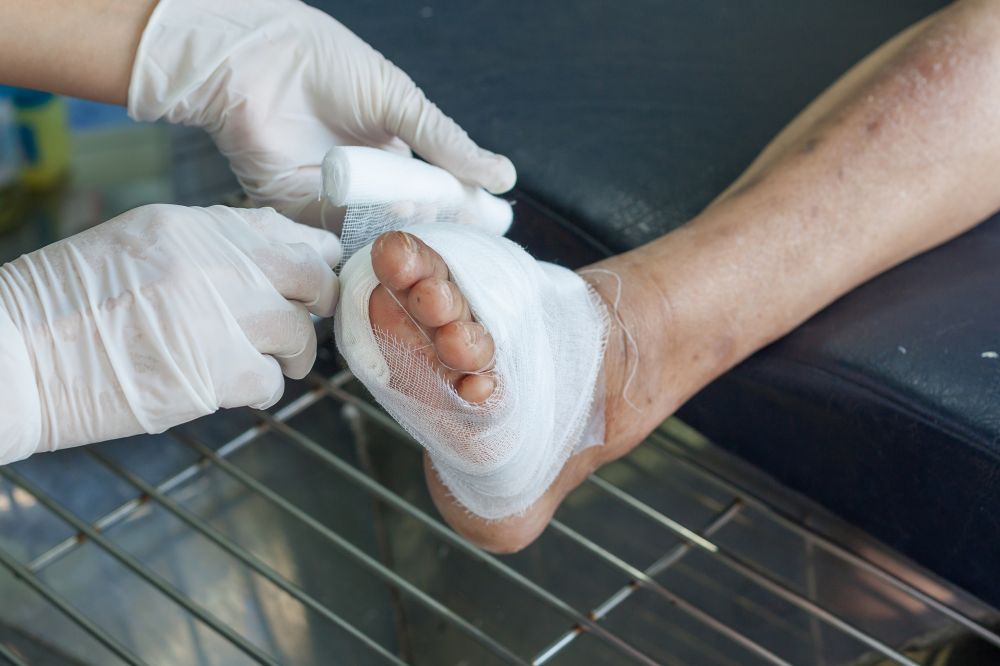
Cutaneous wound repair is a physiological process aim at restoring skin integrity after injury. Chronic skin wounds arise when this process is disrupted, resulting in lesions that fail to heal within a normal timeframe. Several common conditions predispose patients to wound chronicity, including diabetes, cardiovascular diseases, and peripheral vascular disorders. Chronic wounds may also develop due to prolonged pressure in bedridden or wheelchair-bound patients. Because of these diverse causes, chronic wounds are highly prevalent. They affect approximately 1–2% of the global population and up to 5% of individuals over 65 years of age, and their incidence is expected to increase with the aging population and the rising prevalence of diabetes and vascular diseases. Chronic ulcers impose a substantial human and economic burden. Patients often experience severe pain, reduced mobility, and recurrent infections, and complications such as hospitalization and limb amputation may occur. The global advanced wound care market exceeds USD 20 billion annually, reflecting the major clinical and economic impact of these conditions. Despite numerous treatment options, no universally accepted standard of care exists for severe chronic wounds, and approximately 10–20% of ulcers remain refractory to current therapies. Innovative regenerative approaches that restore vascularization and restart the healing process are therefore urgently needed. |
 |
Our Office Information
Request sent
We will contact you as soon as possible